
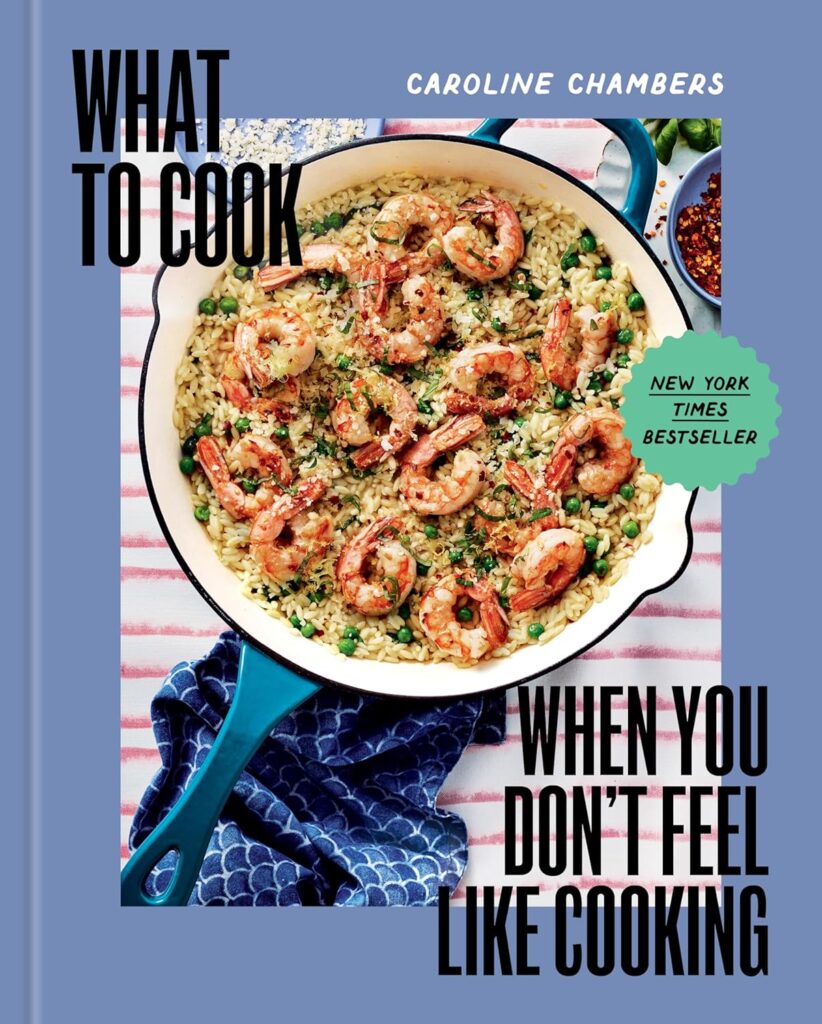
There is a specific kind of tired this book is made for. Not I can’t cook, more like I could cook, but I don’t want to think. That’s exactly where What to Cook When You Don’t Feel Like Cooking fits. And after cooking from it across multiple real week nights, tracking CPR scores and outcomes, I get why this book works as well as it does. Most cookbooks still assume you want to think about dinner. This one doesn’t.
At first glance, this book feels calm. Not overwhelming, not performative. Clean, well-designed, immediately readable. And that tone carries all the way through the recipes. The biggest thing this book gets right is how it’s organized. Instead of sorting recipes by cuisine or protein, everything is grouped by how long it takes to cook: 15 minutes, 30 minutes, 45 minutes, plus sections for “a little bit longer,” greens, and sweets.
That sounds simple, but it completely changes how you decide what to make. I’m not asking myself, “What am I in the mood for?” I’m asking myself how much energy I really have. And on a week night, that matters more. This is one of the few cookbooks where I can open it and immediately make a decision.
One thing I noticed right away (& now wish every cookbook did) is how the ingredients are handled. Ingredients are bolded inside the instructions, often with the amounts included. So instead of constantly flipping back to the ingredients list, everything you need shows up exactly when you need it. It sounds small, but it removes a huge amount of friction while cooking. I felt more focused and less scattered, which is kind of the whole point of this book.
Every recipe includes built-in tools to reduce friction: tips for general cooking advice and educational moments, riffs to customize the dish, shortcuts for faster options and ingredient swaps if you’re missing something, slow cooker instructions for hands-off alternatives, and suggestions for how to bulk it up. Caroline includes these options thoughtfully. You’re given flexibility without ever being overwhelmed.
Cooking from this book feels forgiving. You’re constantly given options. Swaps if you’re missing something, ways to bulk up a meal, tips that help without overwhelming. It doesn’t punish you for not being perfect. And I think that’s why it builds confidence. I never felt like I was going to ruin a recipe. The book encourages you to trust your taste, adjust as needed, and keep moving, which is exactly what I want when I don’t feel like cooking.
What Actually Happened When I Cooked From It
Cheater Chicken Tinga Tostadas came together in under 15 minutes as promised. The low CPR of 1 reflects how straightforward the recipe was…minimal frustration, easy execution. They were fine for a weeknight meal. Nothing mind-blowing, but they delivered on speed and simplicity without being bland. Outcome: 5
Peanut Butter Cup Pots de Crème was another low-effort recipe, but this one really delivered. Rich, satisfying, genuinely impressive for how simple it was. This is where the book shows how simplicity doesn’t have to sacrifice flavor. These came together in less than 10 minutes. CPR: 1, Outcome: 7
Grilled Lemon Harissa Chicken and Zucchini was consistently easy like the others, but with better flavor development than the tostadas. The harissa and the lemon added brightness and depth without making the recipe feel complicated. CPR: 1, Outcome: 6
One-Pan Al Pastor Enchiladas required slightly more effort and attention, but it paid off. Vibrant, well-developed flavors and a very satisfying end result. This shows what happens when you invest just a little more time with Caroline’s recipes. CPR: 2, Outcome: 8
Across all four, the pattern was clear: consistently low effort, reliably solid results. The food is simple but not boring. Flavors rely on things like citrus, herbs, sauces, and finishing touches enough to feel intentional without becoming complicated. Nothing I made felt flat. Nothing felt like filler. And honestly, these are meals I’d actually make again. Not just once for content, but on a random Tuesday when I’m tired and hungry.
A Couple Honest Notes
The time estimates can be optimistic. A 15-minute recipe often took me closer to 20, especially if I was moving slowly or prepping from scratch. And while the ingredients are mostly accessible, this book assumes a reasonably stocked pantry. Nothing extreme, but it helps if you already cook a bit. For me, none of these were dealbreakers, but they’re worth knowing going in.
The Breakdown
Ingredient Accessibility: 8/10 — Most ingredients are easy to find, but the book assumes a decently stocked pantry. Swap suggestions make it easy to keep moving without a store run.
Instruction Clarity: 10/10 — Extremely easy to follow. The bolded ingredients and side steps made cooking feel smooth and uninterrupted.
Photography: 7/10 — Every recipe is photographed, which helps with usability. Photos are realistic and approachable, though some shots focus more on the author or her children rather than the finished dish.
Layout: 10/10 — Organizing by time instead of category is genuinely useful and reduces decision fatigue. She also includes charts by protein type and suggestions of what to cook when.
Recipe Reliability: 9/10 — Recipes worked as written and tasted good without extra tweaking. Minor deduction for optimistic timing.
Writing Voice: 10/10 — Calm, encouraging, non-judgmental. It builds confidence instead of pressure.
Book Quality Average: 9/10
Who This Book Is Really For
This is a great book if you’re tired of overthinking dinner, want satisfying meals without complexity, value flexibility over rigid rules, and want a cookbook you’ll actually use. If you’re looking for highly technical cooking or ultra-precise timing, this probably isn’t your book.
Where I Land
Here’s the thing: people on Reddit absolutely swear by this book. I’ve seen thread after thread of home cooks who live and breathe by Caroline’s recipes, and I completely understand why. The book does exactly what it promises. But maybe I’m just picky. Personally, I enjoy spending a little more time building deeper, more complex flavor profiles. This book won’t be staying on my shelf long-term. I’ll likely pass it along to a busy parent who would really benefit from how easy and forgiving these recipes are.
But that does not mean it’s not a good book. In fact, the overwhelming praise this book gets tells you everything you need to know about how well it serves its intended audience. It’s clearly designed for people who need dinner to happen quickly, calmly, and without stress. And for that audience, it delivers exactly what it promises. I’m probably just pickier about flavor development than most people cooking on a Tuesday night.
Recipe Quality: 6.5/10
Book Quality: 9/10
Overall Score: 7.25/10
The book doesn’t make cooking feel like a performance. It makes it feel manageable. If you’re standing in front of the fridge, tired, hungry, not wanting to think, this book knows exactly how that feels. For the right cook at the right moment in their life, What to Cook When You Don’t Feel Like Cooking does exactly what it promises. It’s just not where I am in my cooking journey right now.